Beta Version in development

Close Popup

Author name: saurav.dhawale

Resources

Edge Computing & Internet of Things (IoT)

Edge Computing & Internet of Things (IoT) Download Now The rapid growth of connected devices is generating vast amounts of real-time data. Processing data closer to its source through edge computing reduces latency, enhances performance, and supports faster decision-making. This distributed architecture enables organizations to respond instantly to operational events while reducing dependency on centralized systems. By integrating edge with cloud environments, businesses can unlock actionable insights, improve reliability, and enhance customer experiences. Edge-enabled solutions drive innovation across sectors by supporting automation, predictive analytics, and intelligent operations. Key takeaways Real-time processing reduces latency and improves responsiveness. Edge architecture enhances performance and reliability. Integration with cloud enables scalable, intelligent operations. Supports innovation across IoT-driven use cases.   Download Now

Subscription-Based Banking: A New Business Model for 2025
Digital Banking

Subscription-Based Banking: A New Business Model for 2025

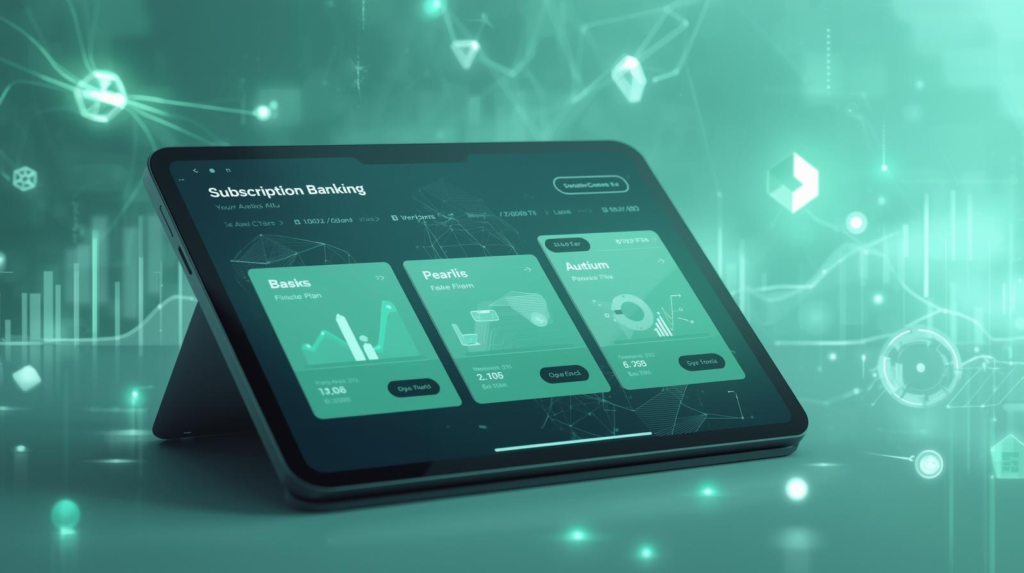
Introduction The membership economy has changed industries such as entertainment, retail and software. Platforms such as Netflix, Spotify and Amazon Prime have shown how powerful recurrent income models can be the income models when connected to individual services. Now this trend takes the road in financial services. Member -based bank appears as a disruptive model in 2025, and explains how consumers interact with banks and how banks structure revenue. Instead of traditional fees or hidden fees, customers pay a flat monthly membership for bundle financial services, openness and convenience. This article examines the term member -based bank, why this traction, benefits, challenges and future may look. What is a member -based bank? The member -based bank standard “per transaction” or “HIDDEN FEE” model replaces the model with a flat monthly or annual fee. For example, instead of paying ATM withdrawal fees, maintenance fees, covers or separate service fees, customers can subscribe to the bank package covering these services. A bank can offer: Original Plan: Savings Account, Debit Card, Limited ATM back and access to Mobil Bank. Premium Plan: Unlimited ATM backlash, zero foreign transaction fees, free transfers and advanced budget equipment. Business plan: Challans, Payoll Management and sewn for small businesses with low-B-based credit lines. This model provides predictions for both customers and banks, many as member services in other industries, praise through packaging and privatization. Why member bank increases in 2025 1. Changes in consumer behavior Modern consumers, especially millennia and General Z, prefer simplicity and transparency in financial services. They are already used to membership models in digital platforms, so the membership bank infection seems natural. 2. Pressed on traditional revenue model Banks have long spread interest for cash registers, account fees and revenues. But regulatory surveys with hidden costs and dissatisfaction with the customer are forced to detect new ways of generating permanent income. 3. Competition from fintech Fintech start -up as Revolut, Monzo and N26 has already introduced a premium subscription, which offers quotas such as free international transfer or travel insurance. Traditional banks are now catching to remain competitive in the digital first world. 4. Privatization and technology AI-operated analyzes and digital platforms make it easy to customize banks for banks. Customers can now choose and select relevant services from them instead of paying for products that they do not use. The benefits of member -based banking business For customers Transparency – a single monthly fee eliminates surprise fee. Price bundle – customers can use more services at a lower price than paying for each. Flexibility – Membership level allows customers to upgrade or downgrade plans as changes in their needs. Confidence and loyalty circular tax structures increase confidence and long -term relationships with financial institutions. For banks Estimated revenues – repetitive revenues provide stability and help with financial planning. Low churning – Subscription model promoted loyalty, reduced customer sales. Waste banks can offer high -level plans with further benefits. Competitive discrimination provision, was in a crowded market by offering customer-friendly models. Examples of member bank in action Challenger bank Revolut: Airport offers premium and metal subscription levels with facilities such as access to salon, global medical insurance and cryptocurrency trading. Monjo Plus: High retreat limits, interest rates and exclusive discounts. Traditional bank Some global banks use wealth management services, digital tools and lifestyle allowances and experiment with a subscription package. For example, some European banks now provide membership, including investment advisers, insurance and exclusive access to the event. Challenges and concerns Although member -based bank is promising, it is not without challenges: Customer’s suspicion – people may be reluctant to pay advance for services they once thought they were independent. Regulatory barriers – Banking is strongly regulated, and packing financial services in membership packages can withstand a legal investigation. Market saturation – You can overwhelm customers with many levels or confusing bundles. Equity and inclusion-A risk that low-income customers can be excluded from premium functions, and elaborate on financial inequality. Adoption costs for banks – infections from traditional income models require significant investments in technology, marketing and reorganization. The future of member -based banking business Looking forward, member banking is likely to develop in many ways: Integration with lifestyle services Banks can pack non-economic quotas such as traditional services as well as membership in training membership, entertainment membership or shopping exemption. AI operated adaptation Artificial intelligence will help banks to customize the membership package based on behavior, income patterns and life events. Global extension Emerging markets can have rapid adoption as digital bank spreads and customers seek cheap, transparent services. Partnership ecosystems Banks can collaborate with Fintech, e-commerce platforms or travel companies to create hybrid subscription models. Regulation and standardization As adoption increases, regulatory will take steps to ensure transparency, prevent utilization and maintain proper access. Is Subscription Banking the Future? The success of subscription-based banking will depend on execution. Customers are willing to pay for value, but only if they see tangible benefits. If banks design clear, affordable, and flexible plans, they could unlock a new era of customer-centric financial services. For businesses, especially traditional banks under pressure from fintech competitors, the subscription model offers a sustainable way to adapt to the digital-first, customer-driven landscape of 2025. Conclusion Subscription-based banking is not just a passing trend—it’s a transformative business model redefining how financial services are delivered. In 2025, as banks move away from hidden charges and transactional fees, subscriptions offer transparency, predictability, and stronger customer relationships. For consumers, it means freedom from confusing fee structures and access to tailored financial packages. For banks, it promises recurring revenue, competitive differentiation, and long-term growth opportunities. As industries across the world embrace the subscription economy, banking is joining the movement—reshaping the future of finance in ways that align with modern customer expectations.

The Rise of Biometric Payments: Face, Fingerprint, or Eye?
Blockchain & Crypto

The Rise of Biometric Payments Face, Fingerprint, or Eye?

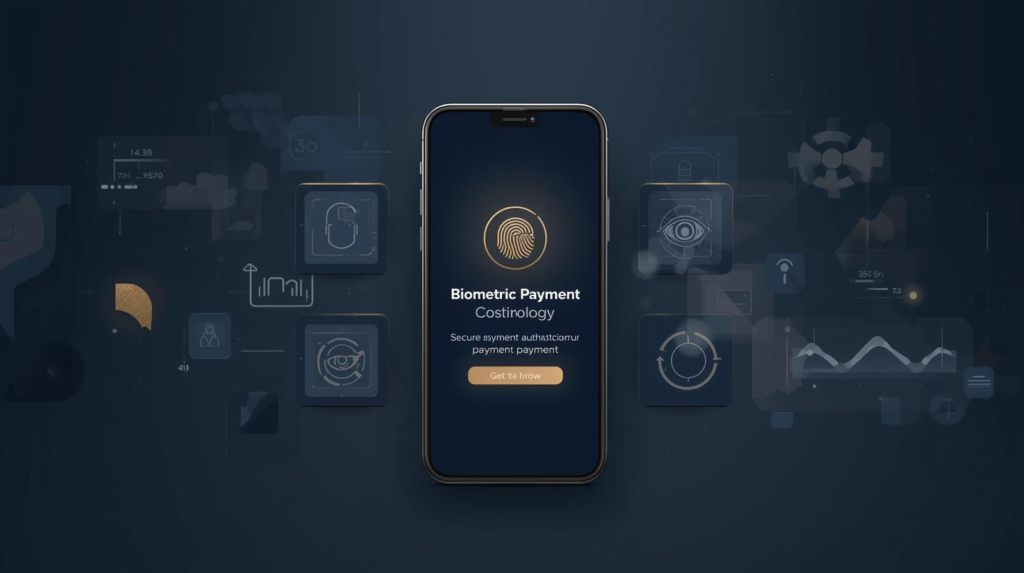
  Biometric Payments These techniques are quickly integrated into smartphones, portable equipment, ATMs and even retail sickness systems, and provide a spontaneous payment experience.The way we pay for goods and services develops at a unique speed. From cash to card, mobile wallets and now biometric payment, technology changes our daily transactions. Biometric authentication uses unique human symptoms – such as fingers, facial functions or even paying their eyes, to make them fast, safe and more practical. With increasing concern about fraud and identity theft, the adoption of biometric payments has increased. But what method creates the best balance between focal, fingerprint or eye security, convenience and access? Let’s dive deep. What are biometric payments? Biometric payments are certified transactions using a person’s biological symptoms. Unlike traditional methods, which rely on passwords or sticks that may be stolen, biometric systems identify a person’s unique physical properties. Some of the most common biometries -some cricketers are: Fingerprint Recognition: Scanning Unique patterns on a finger. Face identification: Map of facial features to confirm identity. Eye or iris recognition: analysis of complex patterns in iris or retina. These techniques are quickly integrated into smartphones, portable equipment, ATMs and even retail sickness systems, and provide a spontaneous payment experience. Fingerprint Payment: The most adopted Recognition of fingerprints is the most well -known form of biometric payment. Smartwatches such as smartphones and portable equipment, which usually offer fingerprint scanners, allow users to authorize payments in seconds. Advantage: Speed: Transactions are almost immediate. Exercise: Fingerprint sensors are available on most smartphones and payment equipment. Security: Reduce the risk of fraud, difficult to repeat. Physical limitations: Wet or dirty fingers can affect accuracy. Sensor damage: hardware damage can temporarily prevent use. Many banks and fintech companies have adopted fingerprint payment for both in the store and online transactions, making it a popular and practical alternative. Payment of face recognition: Contactless solution The payment of face identification has gained momentum, especially with regard to the Kovid -19 epidemic, which accelerated the need for contactless transactions. Advanced cameras and AI algorithms map facial features to authorize payment quickly and safely. Advantage: Contactless: Gernes reduce the risk of transfer. Facility: Users can pay without touching any unit. Integration: Smartphone, tablet and even self -service works well with kiosk. Challenges: Environmental factor: Accuracy can be affected by using poor light or mask. Privacy Intertribut: Some users are officers for facial storage. Retail and airports test face recognition for quick checkouts, showing the ability for this technique in everyday life. Island identification payment: Next marginal Eye or iris recognition is considered to be the safest form of biometric authentication. Iris has complex patterns that are unique to each person and are extremely difficult to forget. Even during the rise in consumer payment, IRIS recognition is discovered for high protection applications such as bank, border control and premium services. Advantage: High security: Risk of nearby repetition. Durable: Iris remains stable throughout life, unlike the fingers that can wear out. Challenges: Cost: Eye scanners are expensive and not widely available. User experience: Some may feel uncomfortable by using eye scanners in public surroundings. Despite these limitations, eye identification is expected to be more normal as technology becomes less expensive and user -friendly. Comparison of methods: Safety vs. When choosing biometric payment method, it is important to balance security, convenience and access: Praise Security Level Facility Adoption Level Ideal Use Case Fingerprints Medium high high everyday smartphones and portable payments Face recognition moderately high growing retail, airport, contactless payment Eye/Iris recognition very high medium low bank, high protective transactions Insight: Fingerprint and face recognition dominate consumers due to availability and ease of use, while eye identity is more suitable for sensitive transactions. Future for biometric payment As technology goes, biometric payment will be more ubiquitous and comfortable. We can see: Multi-Eastern Biometric Authentication: Combination of Fingers, Facial and Iris Recognition for High Safety. Payable payment: Biometric competition Smart ring and watches. A broad Comparing the Methods: Security vs. Convenience When choosing a biometric payment method, it’s crucial to balance security, convenience, and accessibility: Method Security Level Convenience Adoption Level Ideal Use Case Fingerprint Medium-High High Very High Everyday smartphone & wearable payments Face Recognition Medium-High High Growing Retail, airports, contactless payments Eye/Iris Recognition Very High Medium Low Banking, high-security transactions Insight: Fingerprint and face recognition dominate consumer adoption due to accessibility and ease of use, while eye recognition is more suitable for sensitive transactions. Challenges and Considerations While biometric payments are exciting, several concerns need attention: Data Privacy: Storing sensitive biometric data requires strong encryption and compliance with regulations. Accessibility: Some users may have physical conditions affecting biometric recognition. Standardization: Global standards are necessary to ensure interoperability between devices and financial institutions. Governments, banks, and tech companies must work together to address security, privacy, and inclusivity, ensuring biometric payments benefit everyone. Conclusion The era of biometric payments is here, offering a blend of convenience, speed, and security. Fingerprints are widely adopted for everyday use, face recognition is ideal for contactless transactions, and eye recognition sets the benchmark for high-security payments. As technology evolves, biometric payments may become the norm, reducing our reliance on cash, cards, and passwords while making transactions safer and more seamless than ever before. The choice between face, fingerprint, or eye will ultimately depend on the context—everyday convenience versus high-security needs. Embracing biometric payments today is not just a technological trend—it’s the future of how we pay.

The Role of Fintech in Small Business Lending
Fintech Startups

The Role of Fintech in Small Business Lending

Small companies create back legs in the global economy, create jobs, innovate and support local communities. Nevertheless, one of the most frequent challenges they face is access to finance. Traditional lending channels, such as banks, often include long processes, strict requirements and limited flexibility, and outline many short companies. Go into Fintech – Finance of Finance and Technology – which revolutionizes the way small businesses reach funding. In this blog, we will discover the role of fintech in small business loans, which provides profits, and what may be the future of future financial support entrepreneurs. Understand fintech in lending Fintech refers to the use of technology to improve and automatically improve financial services. When it comes to loans in small businesses, FinTech companies utilize advanced techniques such as artificial intelligence (AI), machine learning, Big Data Analytics and Blockchain, which provide fast, more accessible and customized financing solutions. Unlike traditional banks, fintech loan lenders can quickly process applications, evaluate non-traditional credit data and provide immediate approval. By eliminating bureaucracy -barriers borrow fintech and provide more inclusive for small businesses. Traditional challenges that small businesses face Small companies often face many obstacles when seeking loans from traditional financial institutions: Long approval process: Traditional banks can take weeks or months to process loan applications, which can slow down the growth in the business. Requirements with high documentation: Comprehensive paperwork and evidence of income, tax submission and security requirements make it difficult for small businesses. Limited access to startups: New companies often struggle to secure money without a strong credit history. Stiff borrowed norms: Traditional lenders cannot consider alternative financial matrix that reflects the ability of a small business. These challenges emphasize many companies and require more flexible and inclusive lending options. How fintech changes borrowed landscape Fintech lends to small businesses in several large ways: Fast debt processing By taking advantage of AI and automation, Fintech platforms can evaluate loan applications within minutes. Credit value is evaluated using alternative data such as cash flow patterns, social media activities and e-commerce transactions, which reduces the dependence on traditional credit score. Flexible lending options Fintech lenders often provide credits, invoices and short -term loans, including chipped financing solutions. Companies can choose the most appropriate option for cash flow needs, which is especially valuable for startups or seasonal companies. Minor obstacles to admission By assessing non-traditional economic matrix, the fintech platforms allow small businesses and start-up to use capital with limited credit history. This democratization of lending allows more entrepreneurs to score their business. The customer experience increased Fintech companies emphasize user -friendly digital interfaces, openness in fees and simple repayment processes. Mobile applications and online platforms allow business owners to search, track and manage the loan at any time, anywhere. The benefits of fintech loan for small businesses Quick access to capital Small companies can secure money faster than before, reduce cash flow gaps and enable timely investments in growth opportunities. Individual credit solution Fintech loaners use date-driven insights to provide loans to individual business requirements, such as adjusting interest rates based on real-time risk assessment. Increase in economic inclusion Start -up and businesses in unqualified areas obtain access to loans they can deny tradition 4. Cost Efficiency By automating many manual processes, fintech reduces operational costs, allowing lenders to offer competitive interest rates and lower fees to small businesses. Popular Fintech Lending Models Several innovative lending models are shaping the fintech small business ecosystem: Peer-to-Peer (P2P) Lending: Connects businesses directly with individual investors or groups willing to fund loans. Online Lending Platforms: Fully digital platforms that use algorithms to evaluate risk and provide instant approvals. Invoice Financing: Businesses receive cash advances on outstanding invoices, improving liquidity without traditional collateral. Revenue-Based Financing: Repayment is tied to business revenue, offering flexibility during slow months. Embedded Finance Solutions: Integrated lending services within e-commerce or accounting platforms allow seamless funding options. These models cater to diverse needs, from startups needing microloans to established SMEs seeking working capital. Risks and Considerations While fintech lending offers many advantages, business owners should be aware of potential risks: Higher Interest Rates: Some fintech loans may carry higher interest than traditional bank loans. Limited Regulation: Fintech lenders may operate under less strict regulatory frameworks, requiring careful due diligence. Data Security: Sharing sensitive financial information online can pose cybersecurity risks. Over-borrowing Risks: Easy access to capital may lead businesses to take on more debt than they can manage. Small businesses should carefully assess terms, interest rates, and repayment structures before choosing a fintech lender. The Future of Small Business Lending The fintech revolution in small business lending is just beginning. Emerging technologies like AI-driven predictive analytics, blockchain-based credit scoring, and smart contracts are expected to further streamline the lending process. Collaboration between fintech companies and traditional banks may also expand access to capital, combining innovation with stability. Additionally, as more data becomes available, lenders will provide increasingly personalized loan options, ensuring that small businesses receive the right financial solutions at the right time. Conclusion Fintech has changed loans of small businesses by increasing fast approval, flexible alternatives and financial inclusion. By taking advantage of technology, Fintech platforms provide contractors to overcome traditional loan barriers, fuel development, innovation and economic growth. The scale for small businesses, understanding the FinTech borrowing landscape and choosing the right platform can be a game switch. As technology continues to move, Fintech’s role in supporting small businesses will only strengthen, and operate a more inclusive and dynamic trade system.Fintech has changed loans of small businesses by increasing fast approval, flexible alternatives and financial inclusion. By taking advantage of technology, Fintech platforms provide contractors to overcome traditional loan barriers, fuel development, innovation and economic growth. The scale for small businesses, understanding the FinTech borrowing landscape and choosing the right platform can be a game switch. As technology continues to move, Fintech’s role in supporting small businesses will only strengthen, and operate a more inclusive and dynamic trade system.

Embedded Finance: The Next Big Thing in Digital Payments
BFSI News & Trends, Fintech Startups

Embedded Finance: The Next Big Thing in Digital Payments

Introduction Embedded Finance The world of digital payment develops at the speed of power. The beginning of credit cards and online banking has now expanded to mobile wallets, now purchases, later (BNPL) pays the platforms, and AI-operated financial services. In the latest innovations that reshaped the industry, built-in finance stands out as the next big thing. By initially integrating financial services into non-financial platforms, built-in funds are changing how companies are linked to customers, how payments are processed, and how financial products are distributed. In this blog, we will find out what built-in finance is, why it means something, the benefits, future issues, top players, challenges, and the future of digital payments. What Is Embedded Finance? Built-in finance refers to the integration of financial services into non-financial products or platforms. Instead of going through a bank or third-party financial supplier, customers can use direct financial services in apps that they already use. Examples: Order food on the delivery app and pay with a credit solution in the app. Book a trip and get instant travel insurance in the checkout. Use an e-commerce site that provides the “Purchase option, pay later” during purchase. This approach removes friction, improves the customer experience, and gives the business new revenue streams. Built-in finance refers to the integration of financial services into non-financial products or platforms. Instead of going through a bank or third-party financial supplier, customers can use direct financial services in apps that they already use. For example: Order food on the delivery app and pay with a credit solution in the app.Book a trip and get instant travel insurance in the checkout.Use an e-commerce site that provides the “Purchase option, pay later” during purchase. This approach removes friction, improves the customer experience, and gives the business new revenue streams. Why Embedded Finance Is Booming in 2025 Many trends promote the increase in built-in finance in 2025: Consumer demand for convenience—people will have an easy experience without changing the app. Rise of API and Open Banking—easy integration of financial services into digital platforms. Consumers who shift to mobile-first payment prefer digital wallets and immediate transactions. Fintech innovation—startups make economic infrastructure more accessible to non-economic companies. Mudrikaran opportunities—companies get new income channels by providing financial services. As a result, built-in finance is predicted to become a multi-trillion-dollar industry at the end of the decade. Benefits of Embedded Finance For Businesses New income streams from financial services. Strong customer loyalty through integrated solutions. Access to valuable financial data for personalization. For Consumers Seamless, friction-free transaction. More options for payment, loans, and insurance. Fast and more individual financial services. For Financial Institutions The partnership with technical companies expands market access. Reduction in costs of procurement by posting apps. Key Use Cases of Embedded Finance Built-in Payment Digital platforms like Uber or Amazon let users pay without leaving the app. Payment processing takes place in the background and provides a smooth box experience. Built-in Lending Enable platforms like Clarna and Affim to buy now, pay later (BNPL) options directly in the box. This strengthens flexible payment consumers and increases sales for traders. Built-in Insurance Travel bookings and ride-bearing apps now provide insurance at the point of purchase. For example, when ordering flights, you can immediately add travel insurance with one click. Built-in Bank Non-financial companies offer services that banks like digital wallets, checking accounts, and debit cards. Neobanks and fintech start-up strengthen this trend. Top Player 2025 in Built-in Finance Strip – Payment infrastructure for global businesses. Plaid – Activation of open banking and financial data connection. Square/Block – Offer built-in payments for small businesses. Clarna and AFRIM – Head of BNPL solutions. Chime & Nubank – Neobanks integrates built-in economic properties. PayPal – Built-in credit and extension beyond payment for BNPL. Challenges in Built-in Funding Despite the rapid growth, built-in finance is facing challenges: Relationship compliance – there are strict laws on loans, payment, and insurance in different fields. Data safety – security for sensitive economic data is a great concern. Complex integration – not technical expertise to enter financial services in all businesses. The degree of confidence can hesitate to use financial services from non-financial services. E-commerce and social platforms integrate micro-investment options. For example, apps that let users shop and invest the difference. Top Player 2025 in Built-in Finance Strip – Payment infrastructure for global businesses. Plaid – Activation of open banking and financial data connection. Square/Block – Offer built-in payments for small businesses. Clarna and AFRIM – Head of BNPL solutions. Chime & Nubank – Neobanks integrates built-in economic properties. PayPal – Built-in credit and extension beyond payment for BNPL. Challenges in Built-in Funding Despite the rapid growth, built-in finance is facing challenges: Relationship compliance – there are strict laws on loans, payment, and insurance in different fields. Data safety – security for sensitive economic data is a great concern. Complex integration – not technical expertise to enter financial services in all businesses. The degree of confidence can hesitate to use financial services from non-financial services. The Future of Embedded Finance The future of embedded finance in digital payments looks promising. By 2030, industry analysts predict embedded finance will handle over $7 trillion in transactions globally. AI and blockchain will further accelerate this shift by enabling: Personalized financial services through predictive analytics. Decentralized finance (DeFi) integrations for greater transparency. Cross-border embedded payments to simplify global trade. Green finance options integrated into everyday platforms for sustainability-conscious users. In the coming years, we can expect embedded finance to become the default way consumers interact with money—making traditional financial institutions rethink their models. Conclusion Embedded finance is no longer just a buzzword—it’s the next big thing in digital payments. By integrating financial services directly into apps and platforms, businesses are enhancing customer experience, creating new revenue streams, and driving financial inclusion. From embedded payments in e-commerce to BNPL solutions in retail, insurance in travel apps, and banking services in non-financial platforms, the opportunities are endless. As 2025 unfolds, the companies that embrace embedded finance will

Blockchain & Crypto, Digital Banking

How to Create a Business Budget That Actually Works

Managing business finances effectively starts with one crucial skill—budgeting. A business budget is more than just numbers on a spreadsheet; it is a financial roadmap that helps you allocate resources wisely, prepare for uncertainties, and achieve sustainable growth. Unfortunately, many businesses either create budgets that look good on paper but fail in practice or avoid budgeting altogether. The key is to design a budget that is both realistic and actionable. In this guide, we’ll walk you through how to create a business budget that actually works, along with practical strategies to implement and stick to it. Why a Business Budget Matters It is necessary for a well -structured budget:   Clarity in finance – know where your money is going. Resource distribution – Priority for investments in operations. Cash flow control – Preventing over -speed and deficiency. Decision -making processes and support reported strategic alternatives. Investor Trust – show stakeholders that you manage financing in a responsible manner. In short, a budget provides your business control and trust in management. Step 1: Analyze Your Income Sources The first step is to calculate expected revenue. Think of all parts of the revenue, for example: Sales revenue Membership or membership fee Consultation or project -based income Other income (interest, royalty, participation) Be conservative when considering revenue. This is better for low project and lower than reducing and lowering expectations. Tip: Use previous accounts or industry signs to predict realistic income number. Step 2: List of the fixed costs   Fixed costs are repetitive expenses that remain the same each month regardless of sales. Examples include: Price or mortgage loan Insurance Salary to permanent employees Debt refund Software membership Since they are estimated, they make the spine in the budget. They clearly ensure that you do not miss the necessary obligations.   Step 3: Identify variable expenses   Convertible costs depend on commercial activity. These may include: Marketing and advertising Tools (Power, Internet, Water) Sales Commission Raw material or supply Travel and logistics   Tracking variable costs helps you adjust the expenses in response to the income benefit. In slow months, for example, you can return to the ad without the necessary cuts.   Step 4: Factors once or in unexpected costs Each business sometimes faces one-closed expenses: Equipment Software upgrading Emergency repair Training program A work budget should be responsible for these irregular costs by creating an emergency fund or a conditional buffer. Surprise can prevent financial stress if 5-10% of monthly revenues are surprised. Step 5: Set financial goals A budget is not just about keeping an eye on the expenses – it should lead you to your goals. Decide what you want to achieve financially, for example: Growing profit margin Scaling marketing effort Expanded your team Start a new product line Pay trading loan Breaking goals in the short term (quarterly) and long -term (annual) goals. Adjust the budget distribution with these priorities. Step 6: Select a budget method Each company does not use the same budget method. Choose one that fits your style: Old budget – use and adjust the year before budget as a basis. Zero -based budget start fresh for each year; Make each expenses correct. Enable costs based on activity -based budgetary business activities. Rolling budget – update monthly or quarterly for flexibility. For start -up and small businesses, zero -based or rolling budgets are often the most practical. Step 7: Use budget equipment Manual spreadsheets work, but digital devices save time and reduce errors. Popular options include: Quickbooks – for small and medium -sized businesses. FreshBook – Easy Challan + Budget. Zoho Books – Great for Startups. Excel or Google Sheet – Custom all business sizes. Choose software that is integrated with your accounting system for financial tracking of real -time. Step 8: Monitor and review regularly A budget is not stable – it develops with your business. Do a monthly or quarterly review to investigate: Are revenue -matching estimates? Do the expenses live within the limit? Do you need to cut costs or reolise funds? Is there financial goals on the field? Regular reviews keep the budget relevant and actionable. Common mistakes to escape Even if you make these mistakes, the best planned budget fails: By reducing income – over -speed. Ignoring small expenses – small costs are increasing rapidly. No development for development – expansion requires reality. Leaving Emergency Fund – leaves you uncertain to surprise. Failed to track cash flow – benefits do not always mean liquidity. Avoid these losses to keep your budget realistic and reliable. Example of a Simple Business Budget Category Monthly Estimate Actual Difference Revenue $25,000 $24,000 -$1,000 Fixed Costs $8,000 $7,800 -$200 Variable Costs $5,000 $5,500 +$500 One-time Costs $1,000 $0 -$1,000 Profit (Net) $11,000 $10,700 -$300 Final Thoughts Creating a business budget that actually works requires more than just listing numbers—it’s about strategic planning, realistic forecasting, and regular monitoring. A good budget should: Reflect your true financial situation Guide resource allocation Prepare for risks Support growth goals By following these steps, you can turn budgeting into a powerful tool that ensures long-term business success.

Top 10 Banking Trends 2025 – Download Complete eBook
Ebook's

Top 10 Banking Trends Download Complete eBook

Discover the Future of Banking in 2025 The banking industry is evolving rapidly with AI, blockchain, and personalized digital experiences leading the way. Accenture’s “Top 10 Banking Trends 2025” report reveals the key innovations that will redefine finance. From embedded finance to sustainable banking, this eBook provides actionable insights for industry leaders. Get Your Free Copy Today! Want to stay ahead of the competition? Download the full free eBook now by filling out the form below. Gain expert analysis and strategic foresight to prepare for the future of banking. Download eBook

Accenture-LifeTrends2025
Ebook's

Life Trends Complete Future Insights eBook by Accenture

Discover the Future with Accenture’s Life Trends 2025 Report The world is evolving at an unprecedented pace, driven by breakthroughs in AI, sustainability, and digital transformation. Accenture’s Life Trends 2025 Report provides an in-depth look at the key societal shifts that will redefine how we live, work, and interact over the next decade. From the rise of the hyper-personalized economy to the growing influence of sustainable living, this report uncovers the trends that will shape industries, consumer behavior, and global culture. Why does this matter for you? Whether you’re a business leader, strategist, marketer, or innovator, understanding these trends is critical to staying ahead of the competition. The report explores: The AI-Powered Consumer: How artificial intelligence is creating seamless, predictive experiences. Sustainable Lifestyles: The shift toward eco-conscious living and its impact on brands. The Future of Work & Wellbeing: Remote work evolution, mental health tech, and the 4-day workweek debate. Next-Gen Digital Communities: Virtual worlds, decentralized networks, and the new social fabric. Get Your Free Copy TodayThis exclusive Life Trends 2025 Report is your roadmap to the future—packed with data, case studies, and strategic insights. Simply fill out the form below for instant access to the full free eBook. Why Wait? The Future Starts Now. For Professionals: Gain a competitive edge with forward-thinking strategies. For Innovators: Identify emerging opportunities before they go mainstream. For Curious Minds: Explore what’s next in tech, culture, and society. 📥 [Fill Out the Form to Download Now] Download eBook

Fintech and Cryptocurrency
Ebook's

FinTech & Cryptocurrency Insights Complete eBook Wiley

Unlock the Future of Finance with Wiley’s Expert Insights The FinTech revolution is accelerating—cryptocurrencies, decentralized finance (DeFi), and blockchain are reshaping money, investing, and global markets. Dive into a free chapter from Wiley’s authoritative 2023 FinTech & Cryptocurrency book, featuring cutting-edge analysis and real-world case studies. What You’ll Learn: Blockchain’s Next Frontier: Beyond Bitcoin—how enterprises are adopting distributed ledger technology. DeFi Disruption: The rise of decentralized lending, stablecoins, and smart contracts. Regulation & Risks: How governments are responding to crypto’s explosive growth. Web3 & the Future: Tokenization, DAOs, and the shift toward user-owned economies. Why This Matters:Whether you’re a finance professional, investor, tech enthusiast, or student, this chapter equips you with:✅ Actionable Knowledge: Understand crypto’s role in mainstream finance.✅ Strategic Foresight: Prepare for regulatory shifts and market opportunities.✅ Credible Research: Backed by Wiley’s reputation for expert-driven content. Download Your Free Chapter NowSimply fill out the form below for instant access. No cost, no commitment—just high-value insights to power your FinTech journey. Download eBook

Scroll to Top